
National parks and other forms of nature protection
The most valuable parts of Sweden’s nature are protected as national parks as a way to preserve our shared environment. In addition to national parks, there are other forms of protection for nature throughout the country.
National parks and other forms of nature protection
The most valuable parts of Sweden’s nature are protected as national parks as a way to preserve our shared environment. In addition to national parks, there are other forms of protection for nature throughout the country.
A national park is the highest level of protection an area can receive. It is reserved for the most outstanding and valuable parts of Sweden’s nature.
This form of protection is important both for nature itself and for us as humans. By safeguarding valuable areas, we help preserve our shared natural and cultural heritage. Creating a national park is also about providing opportunities for people to experience nature and inspiring them to learn more about the natural world.
New national parks are established by the Swedish Government and the land is owned by the state.
A reflection of Sweden’s natural landscape
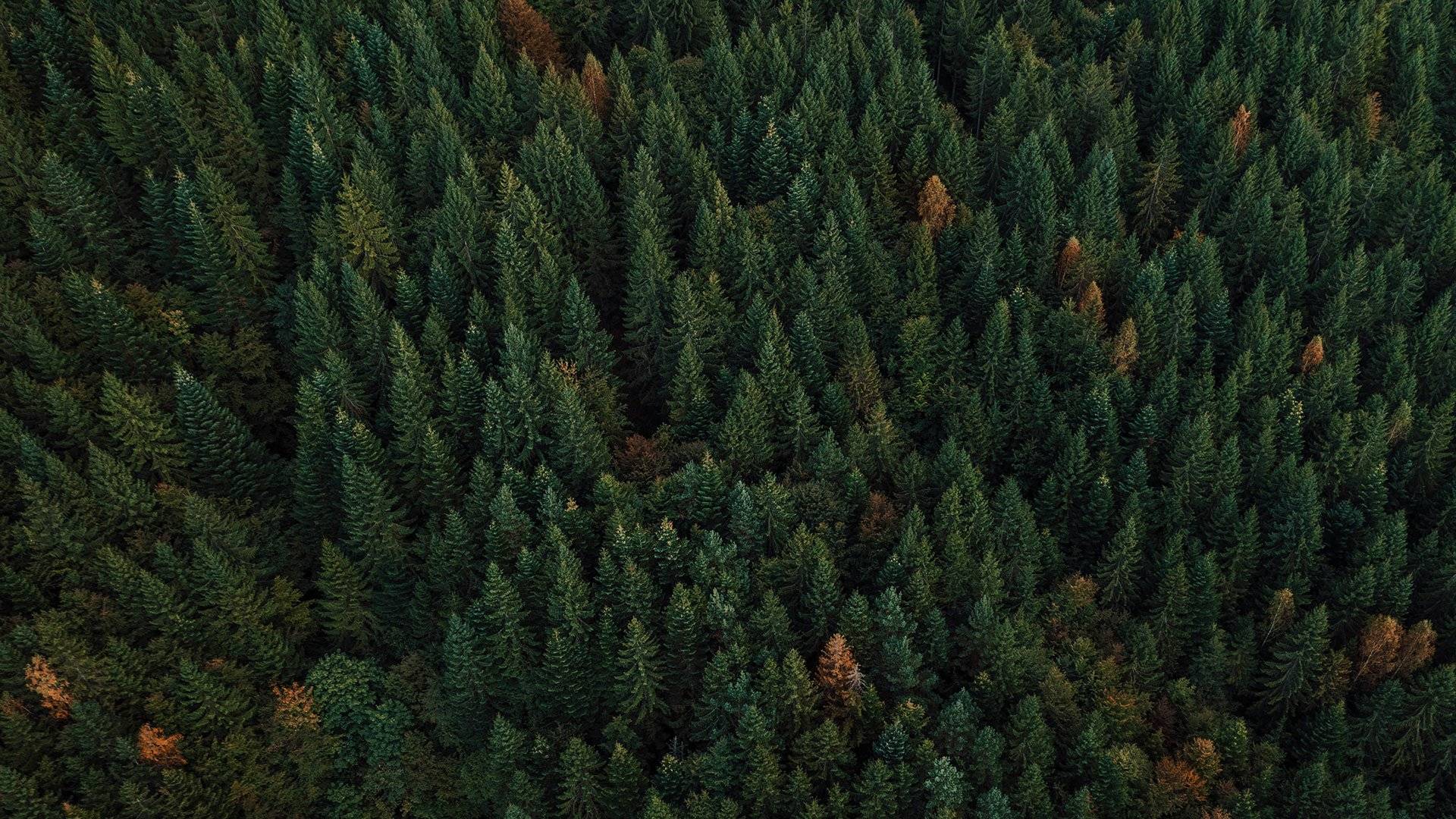
Sweden’s national parks reflect the country’s natural diversity. All six of Sweden’s major habitat types are represented: mountains, lakes and watercourses, coast and sea, forests, wetlands and agricultural landscapes.
The purpose of national parks is to preserve large, cohesive areas of a particular landscape type in its natural or largely unchanged state.
Each national park has a plan that outlines how the area should be cared for to maintain its natural values. In most cases, nature is left to manage itself. In some parks, however, active conservation efforts are needed – for example, to prevent meadows and pastures from becoming overgrown.
Tourism and outdoor recreation
National parks are open to visitors all year round. They are designed to inspire and make it easier for you to visit nature. Most parks are, at least partially, accessible to everyone regardless of whether you are walking, or using a pram or wheelchair. Many have short trails, circular walks or nature paths near the entrances. Further into the parks, the terrain is often more rugged and less accessible.
Other forms of nature conservation
There are several ways to protect valuable nature in Sweden. The most common is through nature reserves. There are over 5,000 nature reserves across the country, covering around 85 percent of all land protected under Sweden’s environmental law.
One example of another form of nature protection is biotope protection areas.
Biotope protection areas (naturvardsverket.se)
Sweden also has around 4,000 Natura 2000 sites. These are areas with species or habitat types that are considered especially valuable from a European perspective. The aim of Natura 2000 is to halt the extinction of species and habitats.
World heritage
A World Heritage Site is a place, area or object that tells a unique story about the history of the earth and people. These sites are considered so valuable to humankind that they must be protected and preserved for future generations.
Sweden has fifteen World Heritage Sites, three of which are of exceptional natural value:
- Laponia in Lapland
- The High Coast by the Gulf of Bothnia
- The Agricultural Landscape of Southern Öland